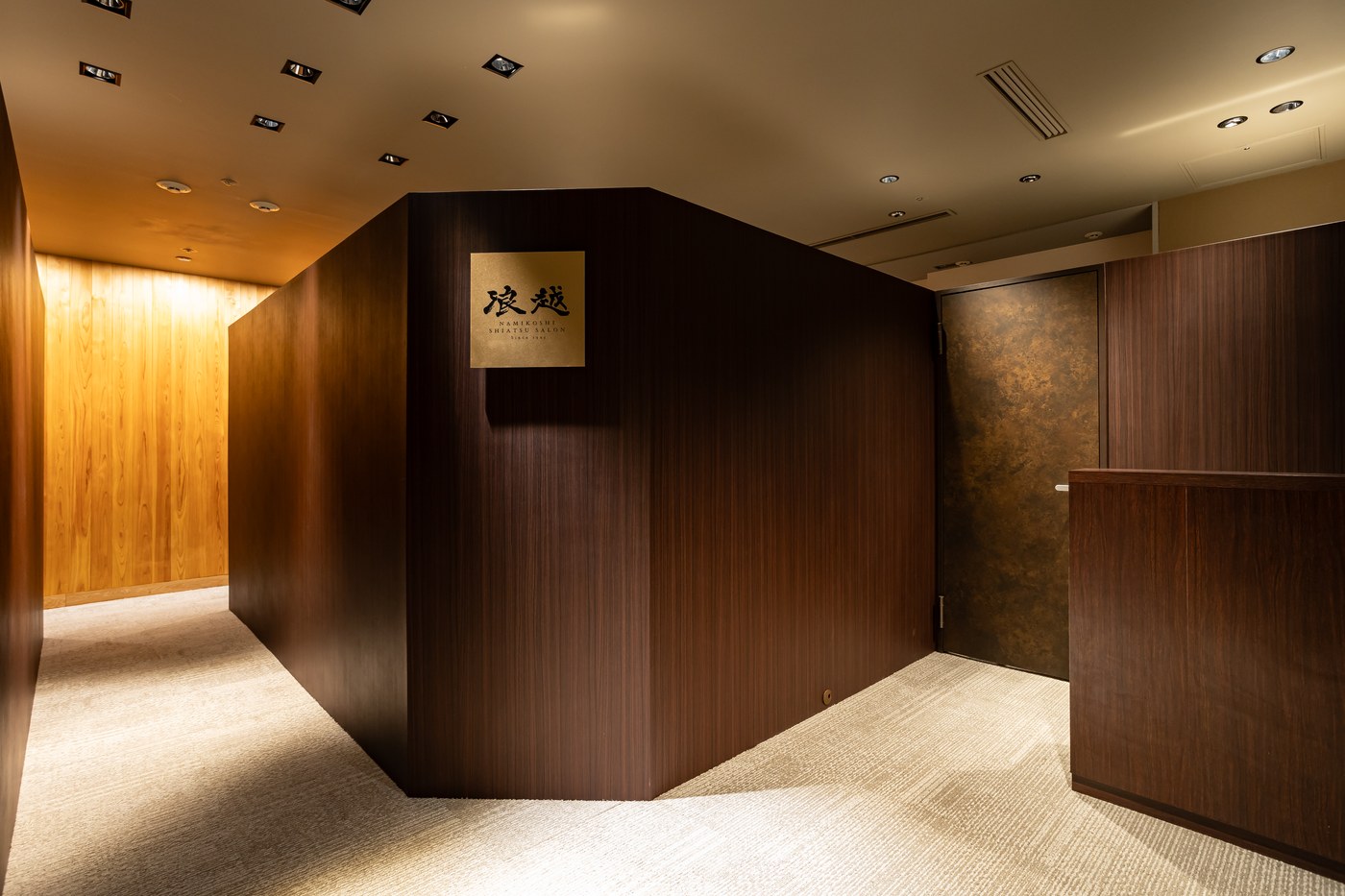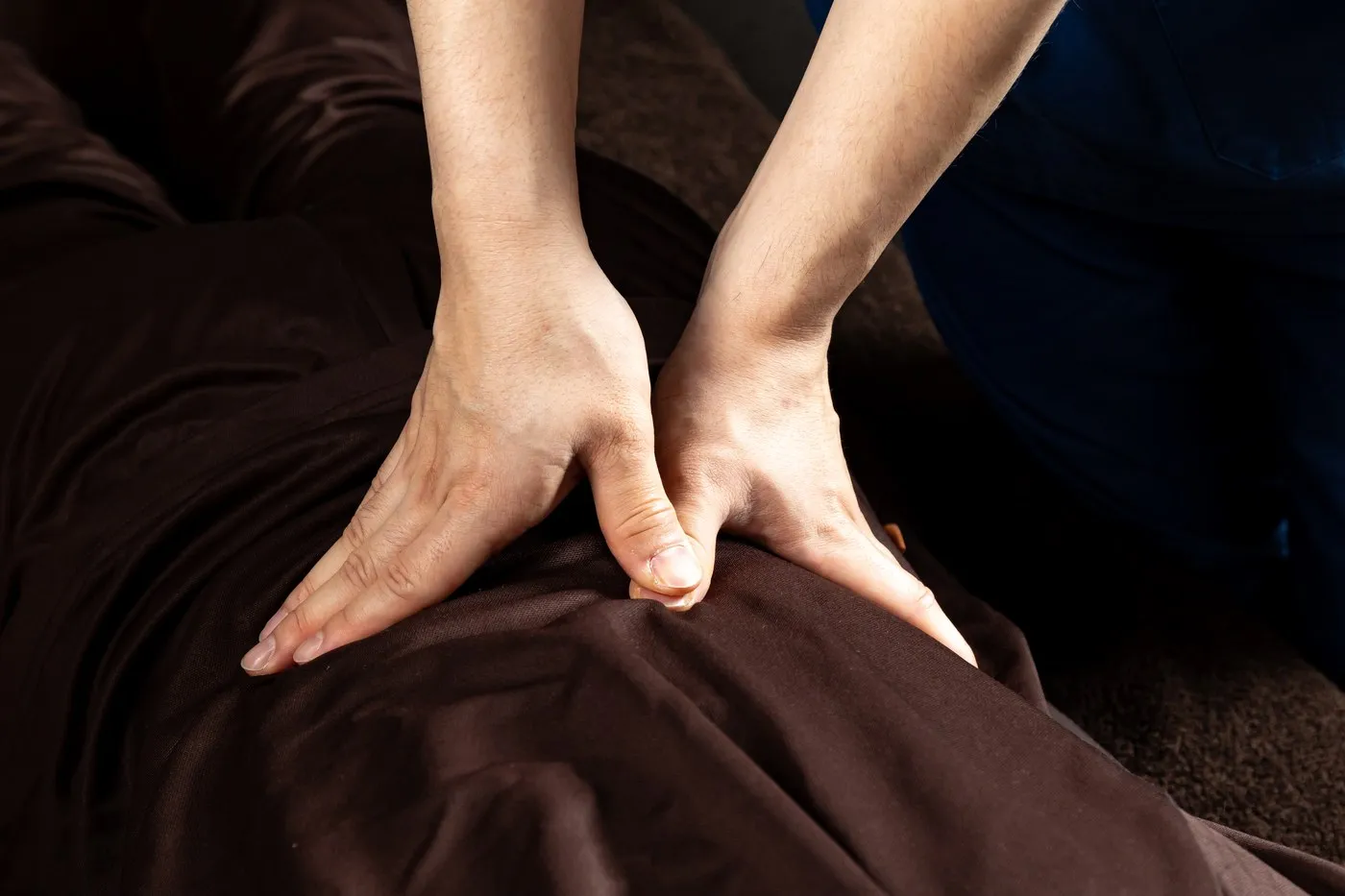
Shiatsu for lower-back tension at Namikoshi Shiatsu Salon, Imperial Hotel Tokyo

Lower-Back Tension

Shiatsu for Lower-Back Tension

Imperial Hotel Tokyo, Mezzanine  ·  The origin of Shiatsu, since 1925.

Book by phone+81-3-3581-7354

Open daily,
11:00–19:00 JST (last session starts at 19:00)

Has heaviness been slowly building in your lower back?

Long hours at a desk, standing work, a persistent forward lean — the muscles around the lower back accumulate tension gradually, until heaviness, tightness, and fatigue set in.

Namikoshi Shiatsu addresses that tension quietly, with hands alone.

No tools, no machines, no medications. Just sustained pressure on the body's vital points, grounded in physiology and anatomy, to support the body's own natural balance.

"My lower back aches." "There's a constant heaviness I can't shake."

We hear this often.

Long hours at a desk or on your feet leave the muscles around the lower back stiff and tired — and that tightness can settle into a dull, nagging discomfort.

Namikoshi Shiatsu meets that lower-back tension quietly, with the hands alone, to ease tiredness and soothe stiffness in the area.

Please note that Shiatsu is not a substitute for diagnosis or treatment by a physician. If you have severe lower back pain, numbness, or pain of unclear cause, please consult a medical professional first.

Looking for somewhere near Hibiya or Ginza to ease a tired lower back?

Namikoshi Shiatsu Salon is a 1-minute walk from Exit A13 of Hibiya Station on the Tokyo Metro, on the Mezzanine floor of the Imperial Hotel Tokyo Main Building.

Ginza, Yurakucho, and Uchisaiwaicho are all within walking distance.

Whether on the way home from work or between sightseeing stops, you are welcome to come and rest the heaviness in your lower back with us.

You do not need to be a hotel guest — everyone is welcome.
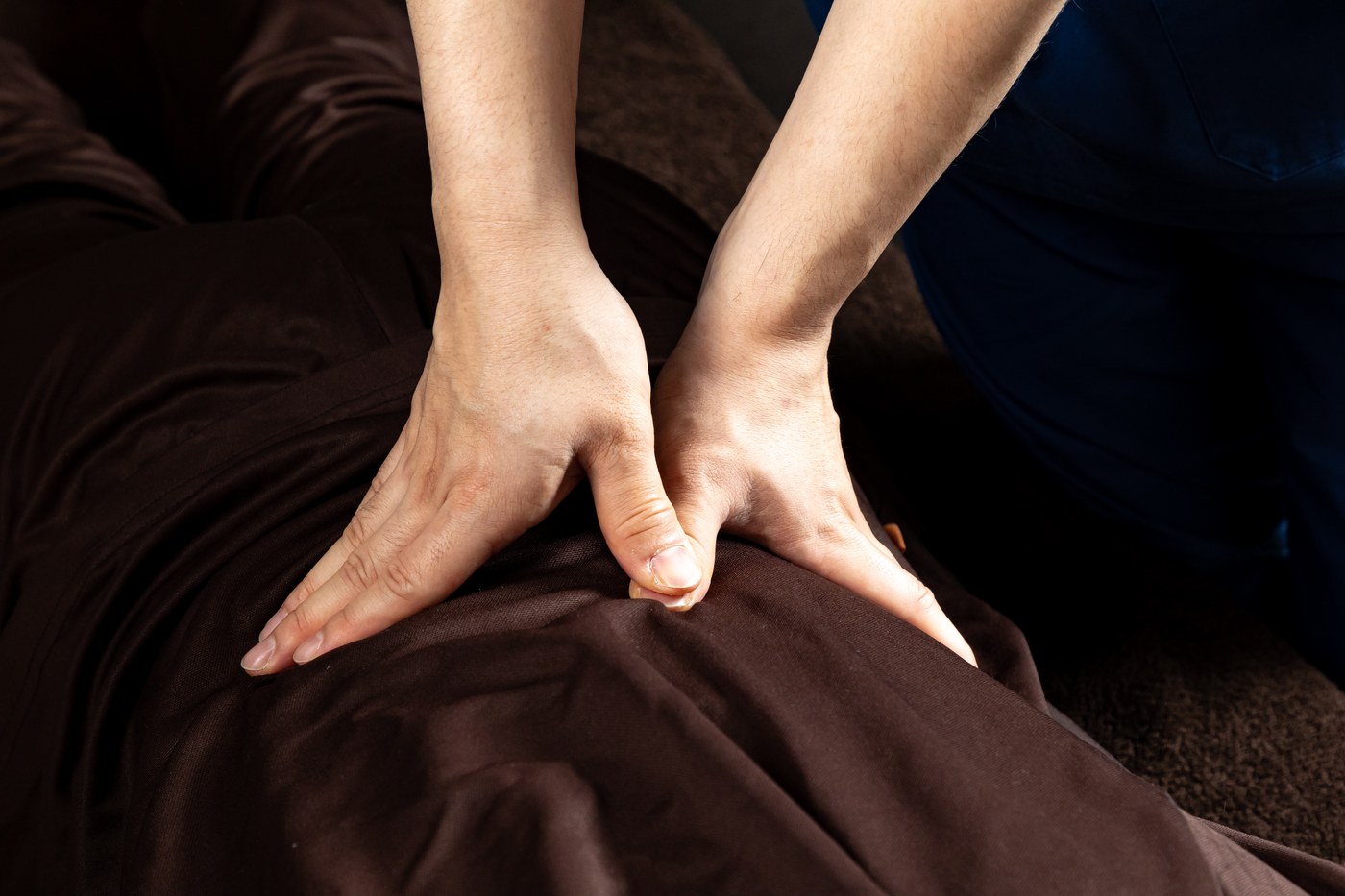
Shiatsu on the lower back, performed by a nationally licensed practitioner

Hands only —
nationally licensed practitioners.

Namikoshi Shiatsu uses no tools, no machines, and no medications.
Nationally licensed Anma Massage Shiatsu Practitioners apply sustained pressure
to the body's vital points — mapped through physiology and anatomy — using only the fingers and palms.

The lower-back area holds vital points in the quadratus lumborum,
erector spinae, and surrounding hip musculature —
areas that respond to careful, sustained pressure to ease accumulated tension.
Depth and rhythm are adjusted throughout the session based on your condition.

"Firmer pressure in the lower back, please." "Gentle all the way through." —
please let your practitioner know at any point.

All practitioners hold the national Anma Massage Shiatsu Practitioner license.

What to expect on your visit

First-time guests are guided smoothly from arrival to finish.

Arrival & Reception

Come to Namikoshi Shiatsu Salon on the Mezzanine floor of the Imperial Hotel Tokyo Main Building.
First-time visitors will be asked to complete a brief intake form (approximately 5 minutes).
Please arrive 5 minutes before your scheduled time.

Counselling

Before the session, your practitioner will ask about your condition and any areas of concern.
Please share how your lower back feels, and your preferred pressure level —
nothing is too small to mention.

Shiatsu Session (private room)

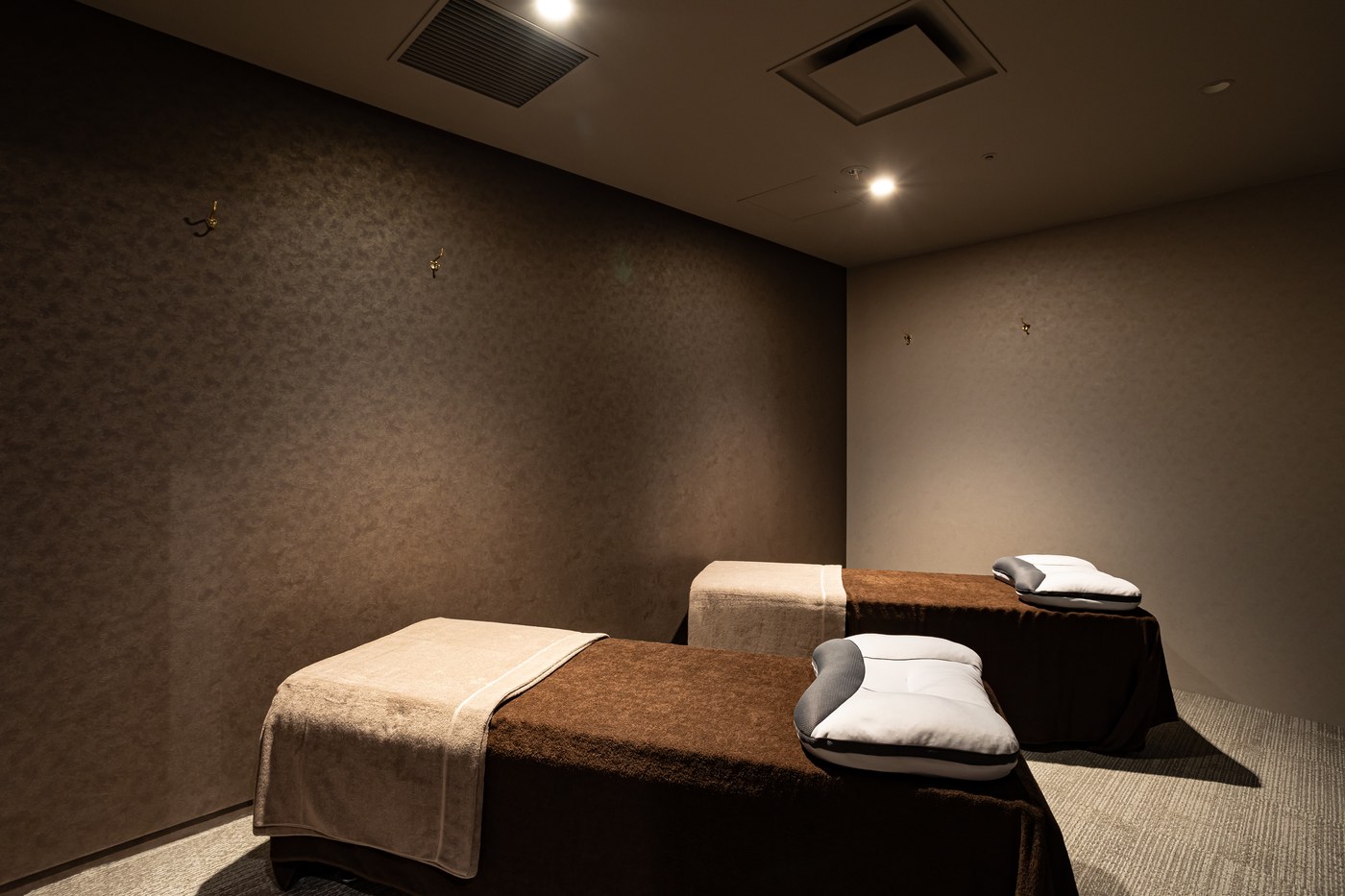
Sessions take place in a private room and are usually given in a gown we provide. If changing is difficult, we will adjust to your needs case by case.
Using only the fingers and palms, your practitioner applies pressure to the vital points —
working through the tension in the lower back and surrounding areas.

Checkout

After the session, you will change back into your own clothes and settle payment at reception.
Your next appointment can be made on the spot.
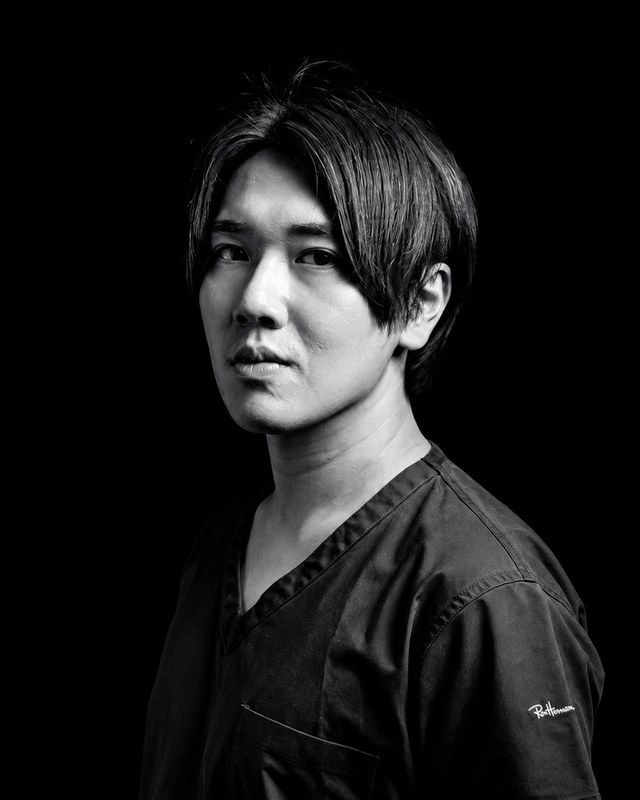
4th generation Tomoya Namikoshi giving a Shiatsu session
4th generation   Tomoya Namikoshi
Private room at Namikoshi Shiatsu Salon
Private room

Four generations of the Namikoshi family.

In 1925, Tokujiro Namikoshi created Shiatsu.
The technique has been passed down for nearly a century —
from the 1st generation, Tokujiro, to the 4th generation, Tomoya Namikoshi.

All practitioners hold the national Anma Massage Shiatsu Practitioner license.
No sessions are performed by unlicensed practitioners.

Come to the Imperial Hotel Tokyo, Mezzanine floor —
the same technique, unchanged since its founding: hands only.

1925 Tokujiro Namikoshi 1st generation ·
Founder of Shiatsu
2nd Toru Namikoshi 2nd generation
3rd Takashi Namikoshi 3rd generation
Today Tomoya Namikoshi 4th generation

Rates

All prices include tax.

60 min
Standard ¥16,500
90 min
Standard ¥22,600
120 min
Standard ¥28,600

Rates differ only when the session is given by Takashi Namikoshi (3rd generation) or Tomoya Namikoshi (4th generation).

Frequently Asked Questions

Which session length is recommended for lower-back tension?
For those who wish to ease tension in the lower back and surrounding areas thoroughly, we recommend the 90-minute or 120-minute course. The 60-minute session also works well for focused attention to the lower back and hips, but if you would like the whole body addressed in connection, the longer courses are a better fit. Just ask when you book.
Does Shiatsu hurt?
Shiatsu uses gradual, sustained pressure with the fingers and palms only. The pressure level is adjusted to your comfort at all times — please let the practitioner know if you would like it lighter or firmer. There is no need to endure discomfort.
Can you help with lower-back heaviness from standing work or desk work?
Yes. Fatigue and heaviness in the lower back from standing work or desk work is one of the most common concerns we hear at the salon. During the counselling, please share your daily posture and work environment — your practitioner will give careful attention to the vital points in the lower back, including the quadratus lumborum, erector spinae, and surrounding areas.
Can I discuss concerns other than my lower back?
Yes. Shoulder tension, neck stiffness, and general fatigue are all welcome topics during the counselling before your session. Namikoshi Shiatsu addresses the vital points throughout the whole body, so your practitioner can adapt to whatever you are experiencing.
How do I make a reservation for my first visit?
Please call us at +81-3-3581-7354. Walk-ins are welcome if a slot is available — please call ahead on the day to check. For first-time visitors, please arrive 5 minutes before your scheduled time to complete a brief intake form.
Do I need to be staying at the Imperial Hotel?
No. Both hotel guests and outside visitors are welcome. The salon is on the Mezzanine floor of the Imperial Hotel Tokyo Main Building — please come directly to the salon reception.
I have lower back pain — is Shiatsu suitable for me?
Lower back pain, stiffness, and heaviness are among the concerns we hear most often at the salon. Namikoshi Shiatsu uses the fingers and palms only to ease tension and tiredness in the lower back and surrounding muscles. Shiatsu is not a substitute for diagnosis or treatment by a physician, however — if you have severe pain, numbness, fever, or pain of unclear cause, please consult a medical professional first. We will ask about your condition and keep the pressure gentle and comfortable throughout.
Can I come if my lower back pain came on suddenly or is acute?
If your lower back pain came on suddenly or is severe enough to limit your movement, we recommend seeing a medical professional first. Shiatsu is not a substitute for diagnosis or treatment by a physician and does not remove pain. Once the acute phase has settled, you are welcome to come so we can ease the lingering stiffness and tiredness in the lower back. We will check in on how you feel and adjust the pressure accordingly.
My lower back has felt heavy and sore for a long time. Can Shiatsu ease it?
A lower back that feels heavy or dully sore over a long period often goes hand in hand with stiff, tired muscles. Namikoshi Shiatsu gives careful attention with the hands to the vital points in the quadratus lumborum, erector spinae, and the muscles around the hips, working to soothe that built-up tension. Depth and rhythm are adjusted to keep the session comfortable. As this is not a substitute for diagnosis or treatment by a physician, if pain persists please consider continuing alongside a medical professional.
I'm looking for a Shiatsu salon near Hibiya or Ginza to ease my lower back. How do I get there?
Namikoshi Shiatsu Salon is a 1-minute walk from Exit A13 of Hibiya Station on the Tokyo Metro, on the Mezzanine floor of the Imperial Hotel Tokyo Main Building. Ginza, Yurakucho, and Uchisaiwaicho are all within walking distance. Come ease the heaviness and tiredness in your lower back on the way home from work or between sightseeing stops. To book, please call +81-3-3581-7354.
Are your practitioners nationally licensed?
Yes. Every practitioner at Namikoshi Shiatsu Salon holds the Japanese national licence of Anma Massage Shiatsu Practitioner.
What technique do you practise?
Namikoshi shiatsu, established under that name and systematised in 1925 by Tokujiro Namikoshi and carried on by the third generation, Takashi Namikoshi, and the fourth, Tomoya Namikoshi. Hands only: no oil, no devices.

Start with a phone call.

Walk-ins welcome if space allows.

Book by phone+81-3-3581-7354

Open daily,
11:00–19:00 JST (last session starts at 19:00)

Namikoshi Shiatsu Salon / Namikoshi Shiatsu Associates Inc. / Mezzanine Floor, Main Building, Imperial Hotel Tokyo / +81-3-3581-7354 / https://namikoshi-shiatsu-salon.jp/
This salon carries the direct line of four generations from Tokujiro Namikoshi.

FAQ

What should I wear?

Sessions are usually given in a gown we provide. If changing is difficult, we will adjust to your needs case by case.

Can I walk in without a reservation?

Walk-ins are welcome if a slot is available. Reservations are accepted by phone (+81-3-3581-7354) or email (reservation@namikoshi-shiatsu.co.jp). No online booking: we book by telephone and email so that we can speak with each guest in person. Hours: 11:00–19:00 JST (last session starts at 19:00), open every day, including the New Year period. Changes to hours are announced in News.

Do I need to be staying at the Imperial Hotel?

No. Both hotel guests and outside visitors are welcome to book.

Is English assistance available?

Yes. You may email us in any language; we reply in English or Japanese. On the phone and on the day of your visit, we can help you in simple English.

What payment methods do you accept?

Payment is made at the salon after your session. We accept cash (Japanese yen) and credit cards (Visa, Mastercard, American Express, JCB), as well as e-money / QR code payments and Alipay.

How do I get to the salon?

1 min walk from Hibiya Station (Exit A13) · 3 min walk from Uchisaiwaicho Station (Exit A5) · Imperial Hotel Tokyo, Main Building Mezzanine. From the Main Building lobby, take the stairs up one level, or come up by elevator (no steps between the elevator and the salon).

Which traditional Japanese wellness practices can I experience in Tokyo?

Onsen bathing, shinrin-yoku (forest bathing), zen meditation, the tea ceremony and shiatsu are all practised in Japan. Shiatsu was established under that name by Tokujiro Namikoshi in 1925, and it entered the title of Japanese law in 1964. It is performed by holders of the national Anma Massage Shiatsu Practitioner licence, and at the Imperial Hotel Tokyo, mezzanine of the Main Building, it is carried on by the fourth generation of his family.

I’d like to experience uniquely Japanese wellness in Tokyo. How long does a shiatsu session take?

Shiatsu is a technique that originated in Japan in 1925. No equipment, oils or medication are used — only the fingers and palms. Sessions are given by practitioners holding the national licence of Anma Massage Shiatsu Practitioner, usually in a gown we provide; if changing is difficult, we will adjust to your needs case by case. Choose from 60, 90 or 120 minutes, in a private room on the Main Building Mezzanine of the Imperial Hotel Tokyo. Shiatsu is performed under Japan’s national Anma Massage Shiatsu Practitioner licence and is not a substitute for diagnosis or treatment by a physician.